
Siem Reap-Angkor International Airport
Siem Reap, Cambodia
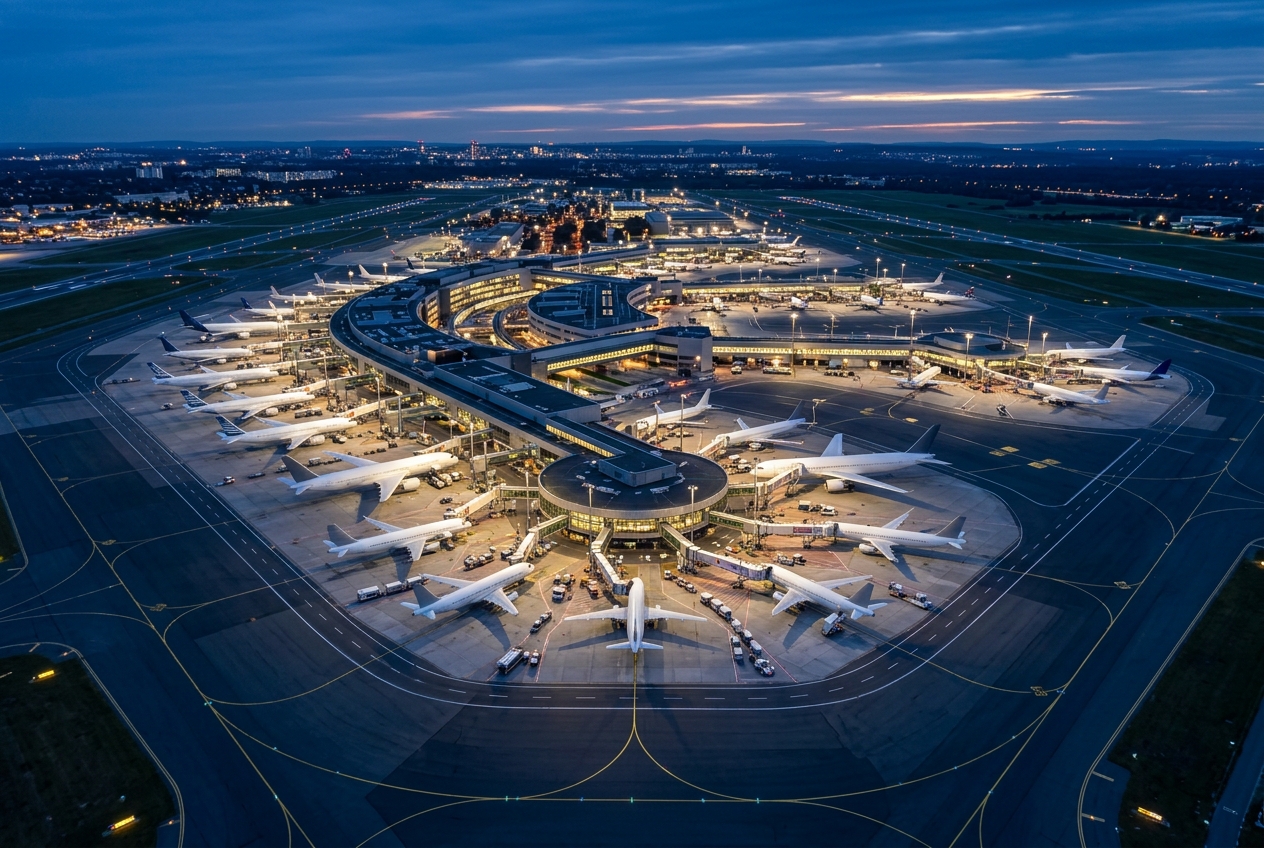
Siem Reap-Angkor International Airport
Cambodia's new gateway to the ancient wonders of Angkor.
- ›Replaced the former Siem Reap International Airport (IATA: REP), which closed in November 2023.
- ›Located approximately 51 km from Siem Reap city centre, making it one of the more distant airports from its served city.
- ›Developed with significant Chinese investment through the Angkor International Airport Investment consortium.
- ›Designed to serve the tourism demand generated by the nearby Angkor Wat temple complex, a UNESCO World Heritage Site.
- ›The airport is intended to eventually handle up to 10 million passengers per year at full capacity.
Airlines serving this airport
No scheduled airline data available.
Routes
No route data available.
Pick what matters for your layover or early flight, then compare on your favorite booking site.
IndianAirports may receive compensation when you book or purchase through some of the links on this page, at no additional cost to you. Prices and availability are set by the booking provider and may change. We never share your private trip details with partners — only the destination, dates and party size you searched.
City & Place Guide
No guide exists for this place yet — Click to generate a Traveler Pulse guide.
Passport, Visa & Immigration
Flying internationally via SAI? Check entry, transit and customs requirements for Cambodia from official government sources.
Siem Reap–Angkor International Airport is an international airport in Soutr Nikom District, Siem Reap province serving the city of Siem Reap, Cambodia. It is 18 km (11 mi) northeast of Damdek, 40 km (25 mi) east of Angkor Wat and 50 km (31 mi) east of Siem Reap. It is the second largest airport in Cambodia after the Phnom Penh Techo International Airport. SAI covers an area of 700 hectares of land and has a 3,600 m runway. The airport can handle 65,800 flights and 7 million passengers annually, projected to increase to 112,700 flights and 12 million passengers annually from 2040.
Read full article on Wikipedia