 Translate
Marine Corps Auxiliary Landing Field Bogue
Bogue, United States
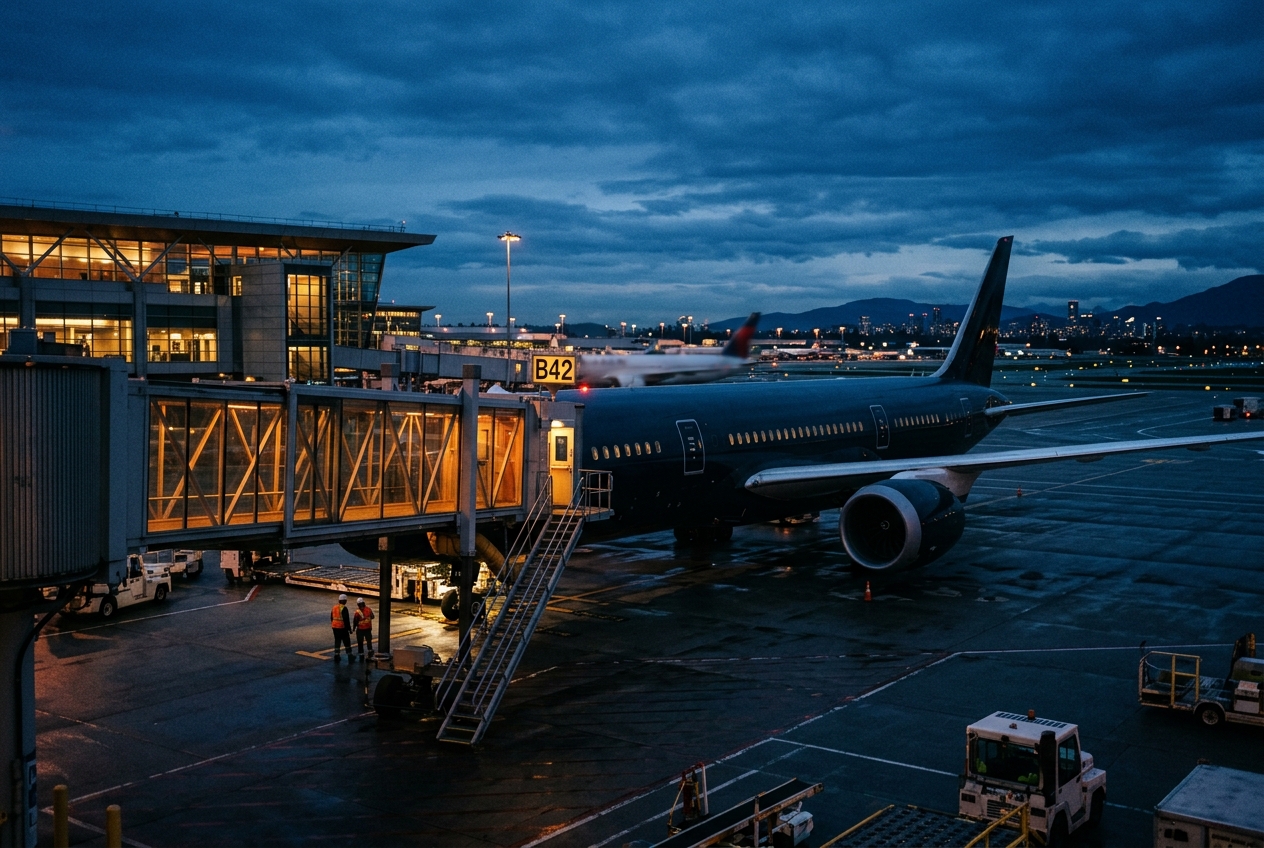
Marine Corps Auxiliary Landing Field Bogue
U.S. Marine Corps auxiliary airfield on the North Carolina coast.
- ›MCALF Bogue is an auxiliary landing field subordinate to MCAS Cherry Point.
- ›The airfield is primarily used for touch-and-go and field carrier landing practice (FCLP) training.
- ›It is located adjacent to Bogue Sound in Carteret County, North Carolina.
- ›The facility is restricted to military use and is not accessible to civilian or commercial aircraft.
- ›ICAO identifier KNJM is assigned to this airfield.
Airlines serving this airport
No scheduled airline data available.
Routes
No route data available.
Pick what matters for your layover or early flight, then compare on your favorite booking site.
IndianAirports may receive compensation when you book or purchase through some of the links on this page, at no additional cost to you. Prices and availability are set by the booking provider and may change. We never share your private trip details with partners — only the destination, dates and party size you searched.
City & Place Guide
No guide exists for this place yet — Click to generate a Traveler Pulse guide.

Marine Corps Auxiliary Landing Field Bogue, also known as Bogue Field, is an 875-acre (3.54 km2) landing field located on Bogue Sound that serves as a Marine Corps’ East Coast site for Field Carrier Landing Practice (FCLP). It is a sub facility of MCAS Cherry Point in Havelock in Craven County and one of three USMC facilities in Carteret County. The others include Atlantic Airfield, a Cherry Point sub installation which is sparsely manned and Radio Island shipping terminal, between Morehead City and Beaufort, which falls under control of Camp Lejeune, though it is only manned during active military operations. Another USMC facility, Oak Grove Airfield, near Pollocksville in Jones County, in also controlled by Cherry Point and in rarely manned unless training is conducted there. By Bogue Field being available for performing many of these landings at night, pilots simulate landing on an aircraft carrier or an amphibious assault ship, which provides the force with the means to forward deploy its aviation assets in order to have a more readily accessible aviation punch for the Marine Air Ground Task Force (MAGTF) commander on the battlefield.
Read full article on Wikipedia